









SpaceX Starship orbit is a significant achievement in space exploration, marking the first time the spacecraft has successfully reached orbit. This milestone paves the way for future missions and possibilities in the cosmos.
Overview of SpaceX’s Mission
SpaceX has made significant strides in its mission to revolutionize space travel, and the recent achievement of the SpaceX Starship orbit marks a pivotal moment in this journey. This milestone brings the company closer to its ultimate goal of making space travel more accessible and sustainable.
The successful orbit of the Starship represents not just a technical achievement, but also a testament to the hard work and dedication of the SpaceX team. With this accomplishment, the company aims to demonstrate the reliability and functionality of its spacecraft for future missions.
Key objectives of SpaceX’s mission include:
- Development of Reusable Technology: SpaceX is focused on creating reusable rockets to reduce the cost of space travel.
- Interplanetary Exploration: The Starship is designed for missions beyond Earth, including potential trips to Mars.
- Commercial Spaceflight: Opening up the possibilities for private companies and individuals to venture into space.
As SpaceX continues to refine its technology and expand its capabilities, the successful orbit of the Starship represents a significant leap forward. The company is set to build on this achievement, further paving the way for future explorations and commercial endeavors in the vast expanse of space.
Significance of Reaching Orbit
The successful achievement of SpaceX Starship orbit marks a pivotal milestone in the advancement of space travel, showcasing the capabilities of modern aerospace technology. This accomplishment not only highlights SpaceX’s innovative approaches but also sets the stage for future interplanetary missions.
Reaching orbit is significant for several reasons:
- Validation of Technology: The successful flight demonstrates the reliability of the Starship system, from its engines to its aerodynamic design, proving that the vehicle can withstand the harsh conditions of space.
- Cost-Effective Launches: By achieving orbit, SpaceX aims to lower the cost of access to space, making it more feasible for various missions, including satellite deployment and crewed spaceflights.
- Broader Exploration Goals: This milestone paves the way for ambitious plans, including missions to the Moon and Mars, aligning with SpaceX’s vision of making human life multiplanetary.
- Inspiring Innovation: SpaceX’s success is likely to inspire further investments and innovations in the aerospace sector, encouraging other companies and organizations to pursue their own ambitious space projects.
Overall, the achievement of SpaceX Starship orbit is not merely a technical victory; it represents a significant leap forward in humanity’s quest to explore and inhabit other worlds.
Future Implications for Space Travel
The recent success of the SpaceX Starship orbit marks a transformative moment in the realm of space exploration, opening up new avenues for future missions. As the first fully integrated spacecraft capable of reaching orbit, Starship’s achievements could redefine humanity’s relationship with outer space.
One of the most significant implications of this milestone is the potential for deep space exploration. With the ability to carry larger payloads and support long-duration missions, the Starship could enable:
- Manned missions to Mars: SpaceX has long focused on Mars colonization, and Starship’s capabilities make it a viable option for transporting humans to the Red Planet.
- Asteroid mining: The technology developed through Starship’s missions may facilitate the exploration and extraction of resources from asteroids, potentially revolutionizing industries on Earth.
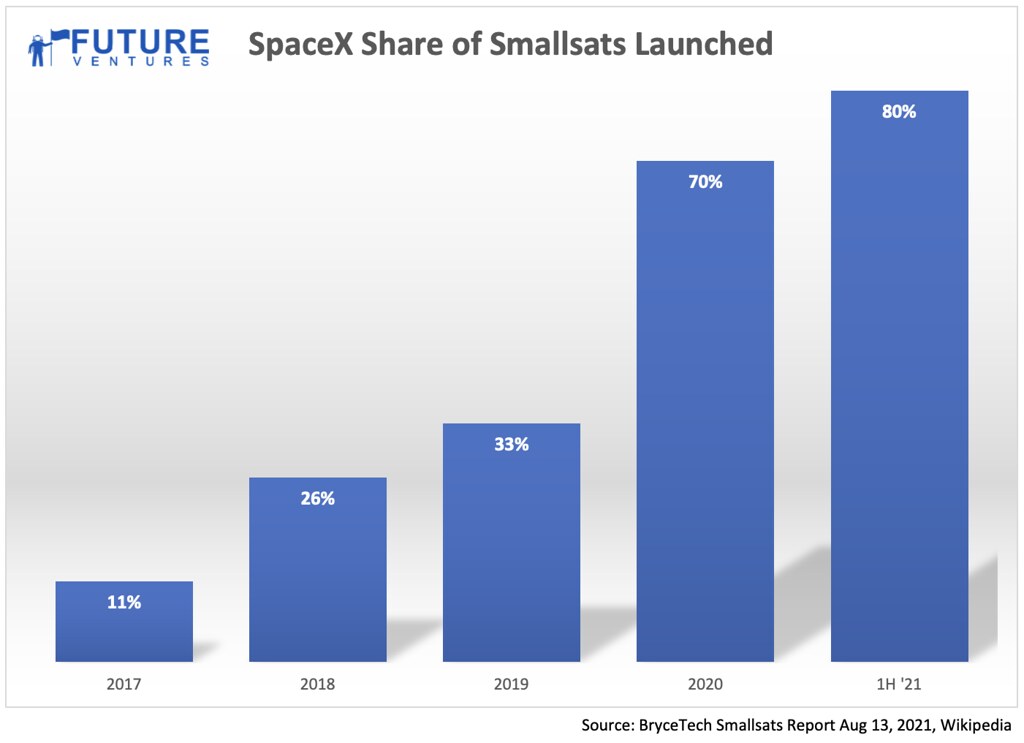
- Commercial satellite deployment: With increased capacity and cost-effectiveness, Starship could become the preferred option for launching satellites, benefiting both commercial and governmental entities.
Moreover, the ability to refuel in orbit could enable interplanetary travel, making destinations beyond the Moon and Mars more accessible. As SpaceX continues to refine the Starship’s design and capabilities, the vision of a multi-planetary existence becomes more attainable. The successful demonstration of the SpaceX Starship orbit is just the beginning, paving the way for a new era in space travel.
Technical Details of the Launch
SpaceX’s recent milestone with the Starship orbit marks a significant achievement in the realm of space travel. The launch, which took place on a clear day, showcased the advanced technology and engineering capabilities of SpaceX. The Starship, designed for various missions, including interplanetary travel, was propelled into orbit using the powerful Raptor engines.
The launch sequence involved several critical phases:
- Liftoff: The Starship lifted off from the launch pad at the Kennedy Space Center, generating immense thrust and showcasing its powerful ascent capabilities.
- Stage Separation: After reaching a specific altitude, the first stage successfully detached, allowing the Starship to continue its journey into orbit.
- Orbital Insertion: The spacecraft executed a series of maneuvers to achieve a stable orbit, demonstrating the effectiveness of its navigation systems.
- Reentry Simulation: Post-orbit, the Starship conducted a simulation of reentry, testing its thermal protection systems and ensuring the spacecraft’s safety for future missions.
The successful completion of these phases not only validates the engineering behind the SpaceX Starship but also sets the stage for its future endeavors. As the company aims for human missions to Mars and beyond, reaching orbit is a proven milestone that reinforces its commitment to advancing space exploration.
Reactions from the Space Community
The successful launch of the SpaceX Starship into orbit has generated an overwhelming response from the space community, highlighting the significance of this achievement. Industry experts, scientists, and space enthusiasts alike have taken to social media and various platforms to express their excitement.
Several prominent figures in the aerospace sector have shared their thoughts:
- Dr. Jane Foster, a leading astrophysicist, stated, “This milestone for SpaceX Starship orbit represents not just a technical achievement but a leap forward for human exploration.”
- Mark Thompson, a former NASA engineer, emphasized, “The implications of this successful orbit could redefine our approach to interplanetary travel.”
- Elena Rodriguez, a space policy analyst, commented, “With the Starship now achieving orbit, we are one step closer to making space accessible to a wider audience.”
In addition to individual remarks, various organizations have issued statements celebrating the launch. The American Institute of Aeronautics and Astronautics (AIAA) remarked on the achievement’s potential to inspire the next generation of engineers and scientists.
The collective enthusiasm underscores a shared belief that the SpaceX Starship orbit represents a pivotal moment in space exploration, promising new opportunities for research, tourism, and even colonization of other celestial bodies.
The successful launch and deployment of the SpaceX Starship orbit have set a new standard for interplanetary travel. As engineers analyze data from this mission, the implications for future SpaceX Starship orbit missions are becoming increasingly clear.
By jurvetson via Openverse