






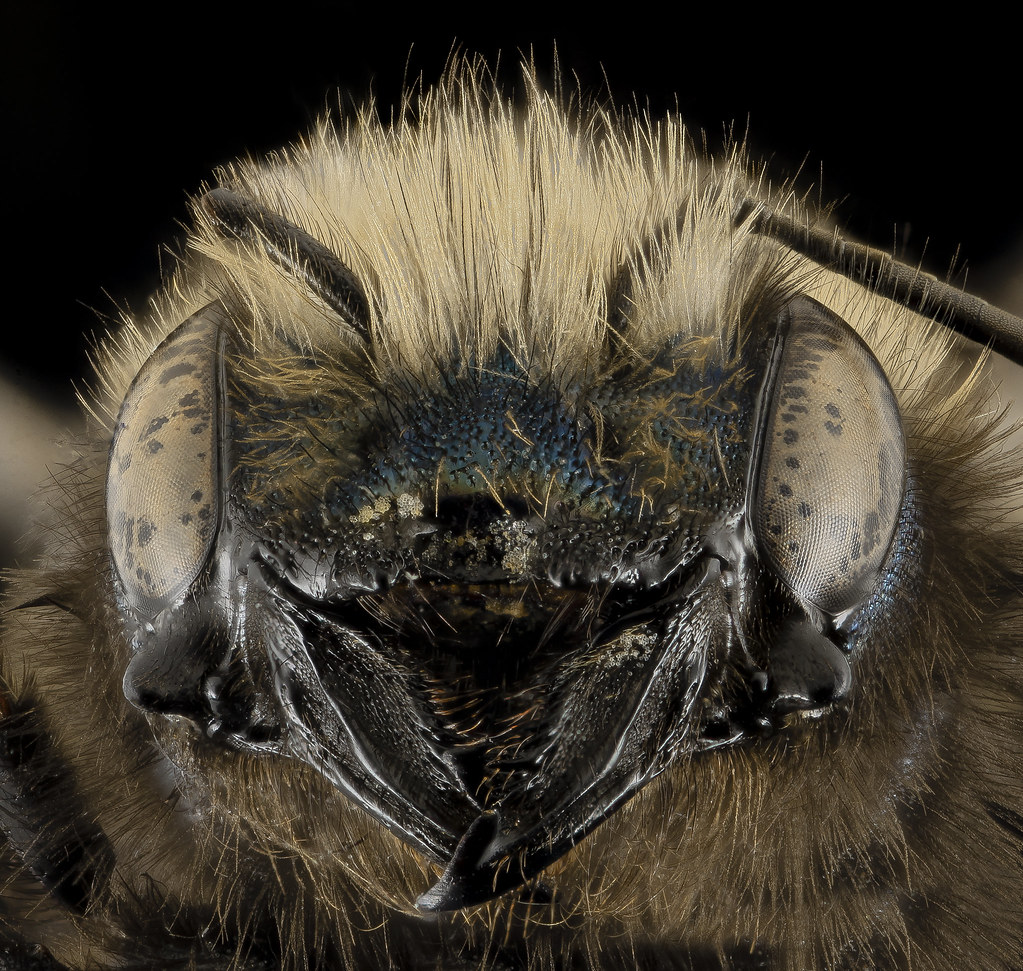
Bee nest linings could inspire innovative solutions in biodegradable plastics. This natural design may lead to eco-friendly materials that decompose safely in soil, addressing plastic pollution.
Understanding Bee Nest Linings
Bee nest linings are gaining attention as a promising solution for developing eco-friendly plastics. These natural materials, found within the nests of various bee species, exhibit remarkable properties that could inspire sustainable alternatives to conventional plastics. Scientists are studying the composition and structure of these linings to understand how they provide insulation and protection to bee larvae while also being environmentally friendly.
Research indicates that the unique combination of waxes and resins in bee nest linings not only helps in temperature regulation but also offers potential for creating biodegradable materials. As the world grapples with plastic pollution, mimicking the design and function of bee nest linings could lead to innovations that break down in soil, reducing long-term environmental impact.
Key benefits of using bee nest linings as a model for plastics include:
- Biodegradability: Natural breakdown in soil without harmful residues.
- Insulation Properties: Effective temperature management for various applications.
- Resource Efficiency: Sustainable sourcing and minimal environmental footprint.
The Problem with Traditional Plastics
The increasing reliance on traditional plastics has raised significant environmental concerns. These materials, often derived from fossil fuels, contribute to pollution and take hundreds of years to decompose. As a result, ecosystems suffer, and wildlife is endangered due to plastic waste accumulation.
Traditional plastics are not only harmful to the environment but also contribute to climate change. The production and disposal of these materials release greenhouse gases, exacerbating global warming. Moreover, when plastics break down, they fragment into microplastics that infiltrate soil and waterways, posing risks to human health and biodiversity.
In contrast, innovative solutions like bee nest linings offer a promising alternative. These natural substances have demonstrated the ability to break down in soil, presenting an eco-friendly option that reduces our dependency on harmful plastics. By mimicking nature’s designs, researchers aim to create biodegradable materials that can effectively address the plastic crisis while promoting sustainability.
How Nature Inspires Innovation
Nature has always been a wellspring of inspiration for innovation, and the study of bee nest linings is no exception. These remarkable structures, made from a combination of wax and propolis, demonstrate how organisms use available resources to create durable, yet biodegradable materials. This unique property has caught the attention of researchers and environmentalists alike.
By closely examining the composition and structure of bee nest linings, scientists are exploring ways to replicate their effectiveness in developing sustainable alternatives to conventional plastics. This approach not only addresses the pressing issue of plastic waste but also promotes a circular economy.
Key insights drawn from bee nest linings include:
- Natural biodegradability, reducing landfill impact.
- Resource-efficient production methods, minimizing environmental footprint.
- Potential for multifunctional applications in various industries.
Ultimately, drawing from nature’s blueprint could pave the way for innovative materials that harmonize with ecosystems, proving that bee nest linings may hold the key to a greener future.
Benefits of Biodegradable Materials
The use of biodegradable materials is becoming increasingly critical in addressing environmental concerns. One of the most promising innovations in this field is derived from bee nest linings, which provide a sustainable alternative to conventional plastics. The benefits of utilizing such materials are manifold:
- Eco-Friendly: Biodegradable materials break down naturally, reducing the accumulation of plastic waste in landfills and oceans.
- Soil Health: Unlike traditional plastics, these materials enrich the soil as they decompose, promoting healthy ecosystems.
- Reduced Carbon Footprint: The production of biodegradable materials typically generates fewer greenhouse gases compared to petroleum-based plastics.
- Consumer Demand: The growing awareness and preference for sustainable products drive the market for biodegradable options, benefiting companies that adopt these materials.
By mimicking the natural properties of bee nest linings, researchers are paving the way for innovative solutions that align with environmental conservation efforts.
Research Findings on Bee Nest Linings
Recent research has highlighted the potential of bee nest linings as a sustainable solution for developing eco-friendly plastics. Scientists have discovered that the unique composition of these natural materials allows for effective breakdown in soil, which could revolutionize waste management.
In a study conducted by the University of Environmental Science, researchers analyzed the chemical properties of various bee nest linings. The findings indicated that these linings possess natural enzymes that facilitate biodegradation. The study’s lead author noted:
- “The properties of bee nest linings could pave the way for creating biodegradable plastics that mimic these natural processes.”
- “This approach not only addresses plastic pollution but also harnesses nature’s ingenuity in material design.”
As industries seek alternatives to traditional plastics, the inspiration drawn from bee nest linings could lead to the development of products that are both functional and environmentally friendly, offering a promising path toward sustainability.
Potential Applications in Industry
The innovative properties of bee nest linings present exciting potential applications across various industries. By mimicking the unique structure and composition of these natural materials, manufacturers can develop eco-friendly plastics that address sustainability challenges.
Some of the most promising applications include:
- Packaging: Biodegradable materials inspired by bee nest linings can significantly reduce plastic waste in the packaging industry.
- Construction: The development of insulating materials that replicate the thermal efficiency of bee nests could revolutionize building practices.
- Textiles: Creating fabrics that incorporate biodegradable elements can lead to sustainable fashion options.
- Agriculture: Using bee nest linings as biodegradable mulch can improve soil health while reducing plastic pollution in farming.
As industries continue to seek greener alternatives, the exploration of bee nest linings as a basis for innovative materials will likely gain momentum, contributing to a more sustainable future.
Future of Eco-Friendly Plastics
The future of eco-friendly plastics appears promising as researchers continue to explore innovative solutions inspired by nature. One of the most intriguing developments is the use of bee nest linings, which could revolutionize the way we think about biodegradable materials. These natural linings, made from substances bees collect, not only provide a protective environment for their young but also have properties that can be adapted for sustainable plastics.
As the demand for environmentally friendly alternatives grows, industries are looking towards biomimicry to create products that not only reduce waste but also decompose naturally. This shift could lead to a significant reduction in plastic pollution, benefiting both the planet and its inhabitants.
Key benefits of this approach include:
- Reduction of landfill waste
- Minimized environmental impact
- Enhanced soil health through biodegradation
By harnessing the remarkable qualities of bee nest linings, the plastics of tomorrow could be both functional and eco-conscious.
By Sam Droege via Openverse
Sources
You might also like
Vivo Buds Clip: The Best Open-Ear Design for Audio Lovers · SteamOS 0.5.7 Update: The Best Patch Notes You Need · Apex Legends Season 31: The Best Release Date Guide