








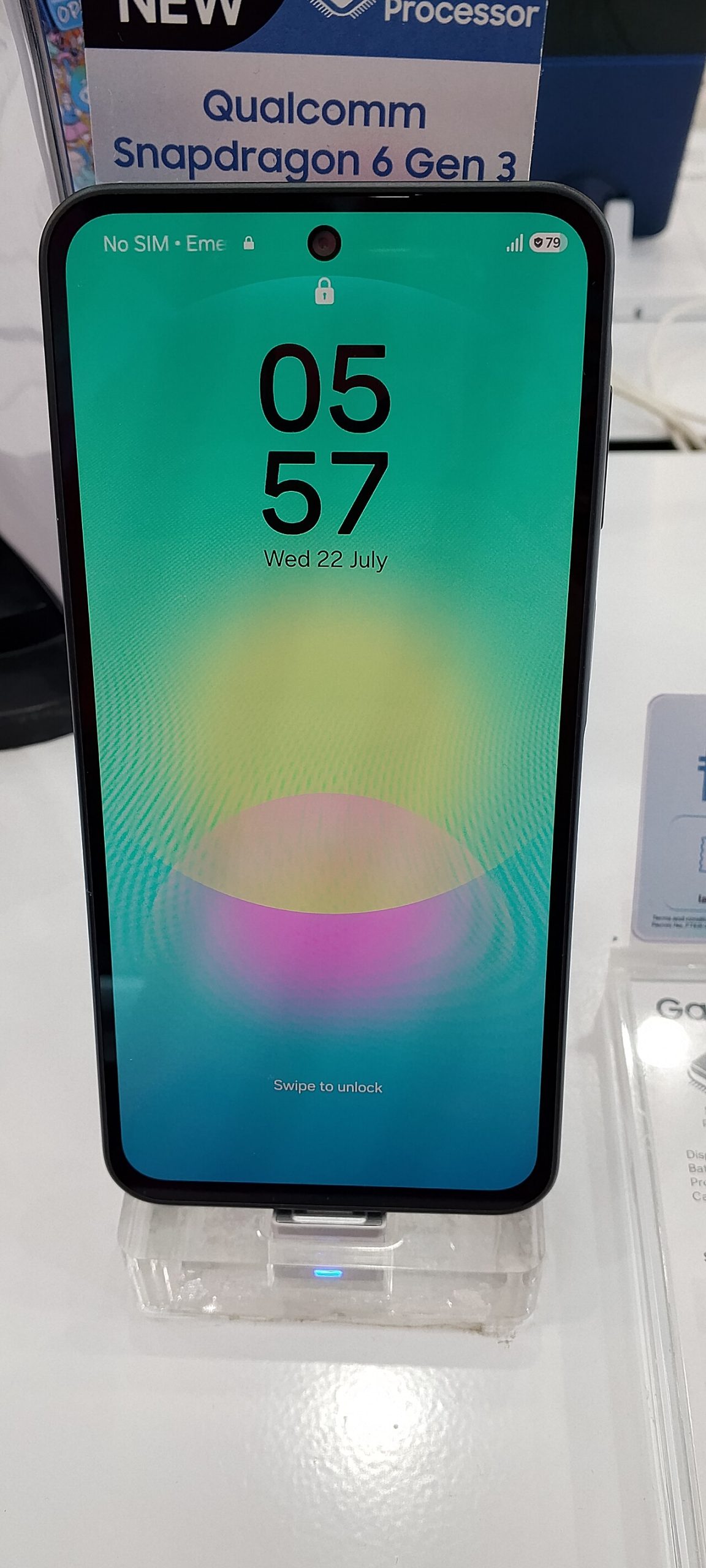
Samsung price hike has recently affected the Galaxy A27, F70 Pro, and M47 models in India, leaving consumers questioning the value of these devices.
Overview of Samsung’s Price Increase
Recently, Samsung announced a significant price hike on several of its popular smartphone models in India, raising questions among consumers about the value of these devices. The affected models include the Galaxy A27, F70 Pro, and M47, which have seen their prices increase by as much as 10%.
This decision comes amid a competitive smartphone market where numerous brands are vying for consumer attention. Many consumers are left wondering whether this Samsung price hike is justified, considering the rapidly evolving technology landscape and the availability of alternatives at lower prices.
Some key factors contributing to this price increase include:
- Rising production costs due to inflation and supply chain issues.
- Enhanced features and specifications in the latest models.
- Market positioning to maintain premium brand status.
As Samsung aims to balance its profitability with consumer expectations, many are left to ponder if the upgraded features and quality of these devices truly warrant the extra cost. The ongoing market dynamics suggest that consumers will need to evaluate their options carefully before making a purchase.
Impact on Consumers
The recent Samsung price hike has left many consumers questioning the value of their investments in the brand’s latest devices. With the increase affecting popular models such as the Galaxy A27, F70 Pro, and M47, potential buyers are weighing their options carefully.
For many, a smartphone is an essential tool for daily life, and the price adjustments may lead to significant financial decisions. The impact on consumers can be summarized in several key areas:
- Affordability: The higher prices may push some consumers to reconsider their budgets, potentially leading to a decrease in overall sales.
- Brand Loyalty: Long-time Samsung users might feel disheartened by the price hike, prompting them to explore alternatives from competitors.
- Perceived Value: Customers will evaluate whether the additional cost translates into better features or performance, making comparisons with other brands crucial.
Ultimately, the Samsung price hike poses both challenges and opportunities. Consumers must decide if the enhanced features justify the increased cost, or if they can find equivalent value elsewhere in the market.
Comparison with Competitors
In the wake of the recent Samsung price hike, consumers are left wondering how the new pricing compares with similar offerings from competitors. Major brands such as Xiaomi, OnePlus, and Apple have also adjusted their pricing strategies in response to market trends.
When examining the mid-range segment, the following comparisons are noteworthy:
- Xiaomi: Known for its budget-friendly devices, Xiaomi continues to offer competitive pricing with models like the Redmi Note series, which often includes similar specifications at a lower cost.
- OnePlus: While OnePlus devices have traditionally been slightly more expensive, their recent releases, such as the Nord series, provide features that rival Samsung’s offerings without the steep price tags.
- Apple: Apple’s iPhone lineup has maintained its premium pricing, but with older models like the iPhone SE, they offer a more budget-conscious option that still provides a strong ecosystem.
Ultimately, whether Samsung’s increased prices are justified depends on individual priorities, such as brand loyalty, product features, and overall user experience. Consumers must weigh these factors carefully against competitor options.
Reasons Behind the Price Hike
The recent Samsung price hike has raised several questions regarding the company’s strategy and the factors influencing these increases. Here are some key reasons behind this move:
- Increased Manufacturing Costs: Rising costs of raw materials and logistics have significantly impacted production expenses, prompting Samsung to adjust their retail prices.
- Enhanced Features: The latest models, including the Galaxy A27 and F70 Pro, come equipped with advanced technology and upgraded specifications, leading to higher price points.
- Market Positioning: Samsung aims to maintain its premium market position against competitors by offering innovative products that justify the price hike.
- Inflationary Pressures: Economic factors, such as inflation, have affected pricing strategies across the tech industry, and Samsung is no exception.
- Consumer Demand: A strong demand for smartphones in emerging markets allows Samsung to implement price hikes without significantly impacting sales.
While customers may feel the sting of the Samsung price hike, the brand continues to emphasize the value proposition of its products, raising the question of whether the added cost is justified.
Future Predictions for Samsung Devices
As Samsung implements a price hike on models such as the Galaxy A27, F70 Pro, and M47 in India, many consumers are left wondering about the future of Samsung devices. Analysts predict that this trend may not be limited to a single instance but could signal a shift in pricing strategy across the board.
One of the primary forecasts suggests that the Samsung price hike could pave the way for more premium features in upcoming models. Consumers might see enhancements in camera technology, battery life, and processing power, which could justify the increased costs.
Additionally, there is speculation that Samsung may focus on sustainability, integrating eco-friendly materials and practices into their manufacturing process. This could appeal to environmentally conscious buyers, potentially offsetting the impact of higher prices.
Furthermore, Samsung’s competition is expected to react strategically. If rival companies also elevate their prices, it could create a new market equilibrium, influencing consumer perceptions of value and quality.
Ultimately, the future landscape for Samsung devices will depend on how well the company balances innovation with affordability, ensuring that consumers feel their investments are worthwhile.
The recent Samsung price hike has left many consumers questioning whether the added features justify the increased expense. As competitors also adjust their pricing, the impact of the Samsung price hike may influence purchasing decisions across the entire market.
via Wikimedia Commons