









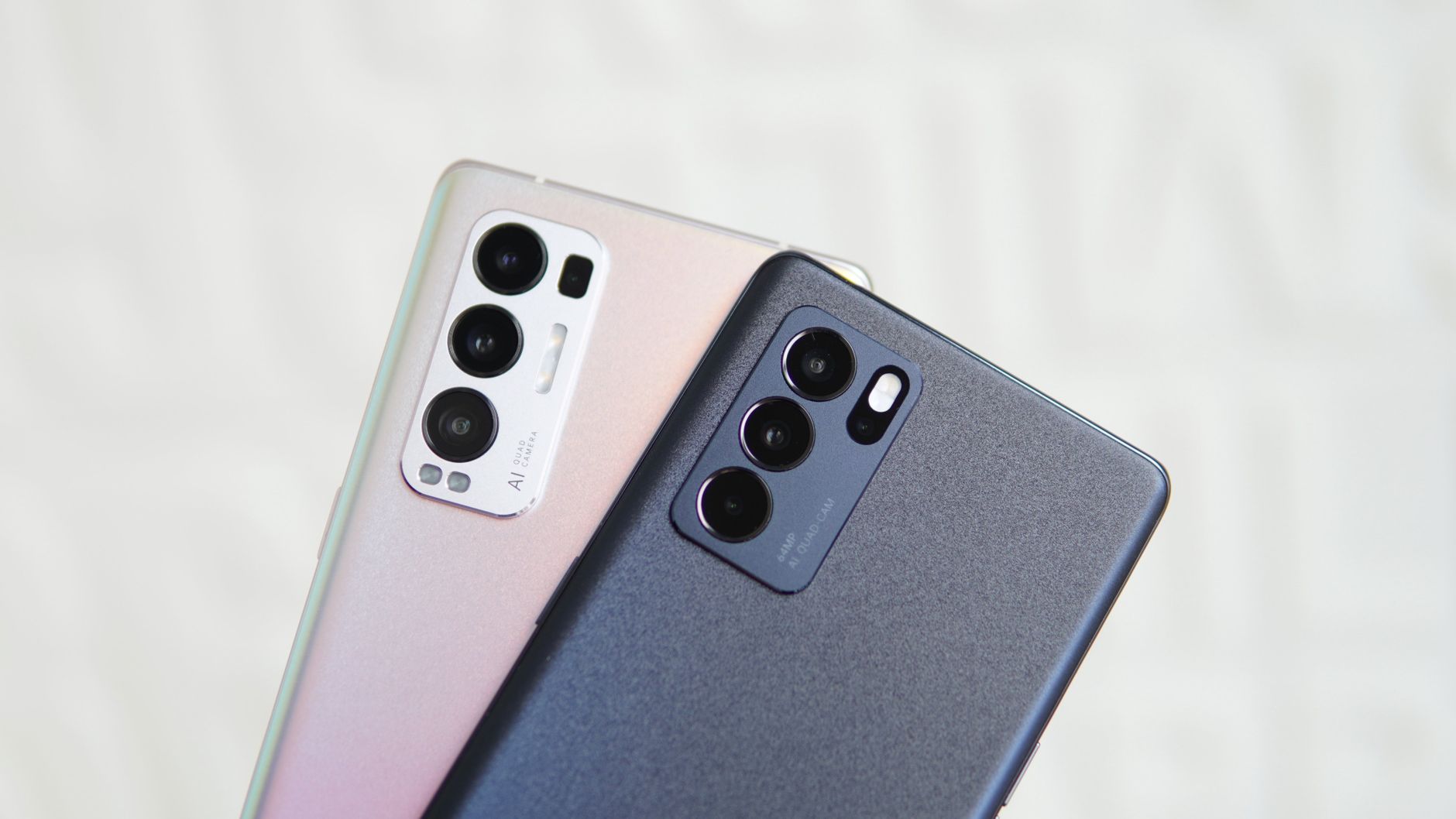
India smartphone market drop is evident as the industry faces a 20% decline in Q3 2026, primarily driven by increasing component prices. This trend raises concerns for manufacturers and consumers alike.
Overview of India’s smartphone market
The India smartphone market has recently faced a significant downturn, marking its worst decline in Q3 2026. This period has been characterized by a 20 percent drop in smartphone shipments compared to the previous quarter, primarily driven by rising component prices.
Several factors have contributed to this unexpected decline:
- Increased Manufacturing Costs: The prices of essential components, such as semiconductors and display panels, have risen sharply, impacting the overall production costs for manufacturers.
- Market Saturation: With many consumers already owning smartphones, the demand for new devices has diminished, leading to slower sales.
- Economic Factors: Economic uncertainties and inflation have restricted consumer spending, further contributing to the decline in the smartphone market.
- Emerging Competition: Newer players in the market are introducing budget-friendly options, making it challenging for established brands to maintain their market share.
The combination of these elements has led to a cautious outlook for the future of the India smartphone market. As companies strive to adapt to the changing landscape, stakeholders are closely monitoring trends and consumer preferences to navigate through this challenging period.
Overall, the recent figures underscore the challenges faced by the industry, reflecting a broader impact on the economy and consumer behavior.
Factors contributing to the decline
The recent drop in the India smartphone market can be attributed to several key factors that have impacted both consumers and manufacturers alike. The most significant of these is the rising component prices, which have forced manufacturers to increase retail prices of smartphones, making them less affordable for the average consumer.
Additionally, the following factors have played a crucial role in the decline:
- Economic Slowdown: The broader economic environment in India has shown signs of a slowdown, leading to decreased consumer spending and a shift in priorities for many households.
- Supply Chain Disruptions: Ongoing supply chain issues, exacerbated by geopolitical tensions, have limited the availability of key components, further impacting production rates.
- Market Saturation: With a significant number of consumers already owning smartphones, there has been a decline in first-time buyers, leading to reduced demand in the market.
- Competition from Alternatives: Consumers are increasingly considering alternatives such as refurbished devices or opting for feature phones, contributing to the overall downturn in new smartphone sales.
These elements combined have created a challenging environment for the industry, resulting in the worst decline in the India smartphone market seen in years, with analysts warning of further potential drops in the future.
Impact on consumers and brands
The recent drop in the India smartphone market has significant implications for both consumers and brands. As the market experiences its worst decline in Q3 2026, many consumers are left grappling with the consequences of rising component prices and limited product availability.
For consumers, this decline means:
- Higher Prices: With rising costs of components, brands may increase retail prices, making smartphones less affordable.
- Limited Options: Some brands might scale back their offerings, leading to fewer choices for consumers looking to upgrade or purchase new devices.
- Delayed Upgrades: Many consumers may opt to hold onto their current devices for longer, resulting in a delay in adopting newer technologies.
Brands, on the other hand, are facing their own set of challenges:
- Inventory Management: With a significant drop in demand, brands must navigate excess inventory and adjust production plans.
- Marketing Strategies: Companies may need to rethink their marketing strategies to entice consumers amid tightening budgets.
- Innovation Pressure: To stay competitive, brands must innovate while managing costs, putting pressure on resources.
Ultimately, the drop in the India smartphone market is reshaping consumer habits and challenging brands to adapt in an increasingly competitive landscape.
Comparison with previous quarters
The India smartphone market drop in Q3 2026 marks a significant deviation from previous quarters, highlighting the challenges faced by the industry. In comparison, Q2 2026 saw a more moderate decline of 5%, while Q1 2026 experienced a slight increase in sales, driven by the introduction of budget-friendly models and festive promotions. This stark contrast underscores the severity of the current situation.
Looking back at Q3 2025, the market had shown promising growth, expanding by 10% year-on-year. However, the rapid rise in component prices and supply chain disruptions have shattered those gains, leading to the worst decline in the sector. Analysts suggest that the drop in consumer confidence, coupled with decreased purchasing power, has further exacerbated the situation.
Moreover, comparing the current Q3 2026 performance to previous years reveals an alarming trend. In Q3 2024, the market recorded a robust growth rate of 15%, while Q3 2023 boasted an increase of 12%. This decline in 2026 not only reflects a downturn in sales but also raises concerns about the future sustainability of the smartphone market in India.
As manufacturers and retailers navigate this challenging landscape, the hope remains that innovative strategies and new product launches can reverse the current trajectory.
Future predictions for the market
As the India smartphone market drop continues to make headlines, analysts are forecasting a challenging road ahead for the industry. The significant decline observed in Q3 2026, marked by a 20 percent drop compared to previous quarters, raises questions about the sustainability of growth in this vital sector.
Industry experts predict that several factors will shape the future of the smartphone market in India:
- Component Prices: Continuing rises in component prices are expected to further impact manufacturers’ ability to offer competitive pricing, which may discourage consumers from upgrading their devices.
- Consumer Preferences: With the market shifting towards more affordable devices, brands may need to adapt their strategies, focusing on budget-friendly options rather than high-end models.
- Technological Innovations: The introduction of innovative technologies could attract buyers, but companies must balance these advancements with cost considerations to avoid exacerbating the current decline.
- Regulatory Changes: Potential government regulations aimed at supporting local manufacturing and reducing import costs may influence market dynamics positively in the long run.
In summary, while the current scenario reflects a significant downturn in the India smartphone market, adaptations to consumer needs and market conditions could pave the way for recovery. Stakeholders must remain vigilant to navigate this evolving landscape effectively.
Responses from major manufacturers
In response to the significant drop in the India smartphone market during the third quarter of 2026, major manufacturers have expressed concerns regarding the ongoing challenges they face. The 20 percent decline has prompted various companies to re-evaluate their strategies and adapt to the changing economic landscape.
- Samsung has announced plans to streamline its supply chain to mitigate the impact of rising component prices, aiming to maintain competitive pricing for consumers.
- Xiaomi indicated that it would focus on enhancing its budget offerings, believing that affordability will be key to regaining market share amid the decline.
- Vivo emphasized the importance of innovation, pledging to introduce new features that cater to the evolving preferences of Indian consumers, despite the downturn in the market.
- Apple acknowledged the pressures of the current economic situation but remains committed to expanding its presence in India, targeting premium customers who are less affected by price fluctuations.
Industry analysts suggest that these responses reflect a broader trend of adaptation, as manufacturers strive to navigate the current challenges posed by the India smartphone market drop. As competition intensifies, companies are under pressure to differentiate themselves and provide value to consumers during this period of uncertainty.
Expert opinions on the situation
Experts have weighed in on the recent trends observed in the India smartphone market drop, describing it as a critical juncture for both consumers and manufacturers. According to Dr. Anjali Kapoor, a market analyst at Tech Insights, “The 20 percent decline in Q3 2026 is unprecedented and highlights the growing pressure from rising component prices. This situation is compounded by reduced consumer spending due to economic uncertainties.”
Additionally, Rajesh Mehta, a senior research analyst, noted that “the decline is not solely due to price increases; it also reflects shifting consumer preferences towards budget-friendly alternatives. Many consumers are opting to hold on to their existing devices longer, resulting in decreased sales.”
Some industry insiders suggest that manufacturers must adapt quickly to the changing landscape. Simran Joshi, a representative from a leading smartphone brand, stated, “Our focus is now shifting towards enhancing the value proposition of our products, ensuring they meet consumer expectations in terms of quality and pricing.”
Furthermore, experts agree that innovation remains crucial in this challenging environment. Deepak Sharma, an economist, emphasized, “Companies that can introduce innovative features and maintain competitive pricing will likely weather this storm better than others.” Overall, the outlook for the India smartphone market remains uncertain as stakeholders navigate these turbulent waters.
The recent India smartphone market drop has raised concerns among industry analysts about the future growth prospects. As companies scramble to adapt, the impact of the India smartphone market drop could reshape consumer preferences and purchasing habits in the coming months.
Photo by Md Imran on Pexels
Read the original
Related reading
Woxsen University MBA: Best Proven Program for Entrepreneurs · Purism Librem 5: The Best Smartphone for Privacy Enthusiasts · Samsung Galaxy update: The Best Proven Features in One UI 9.5