








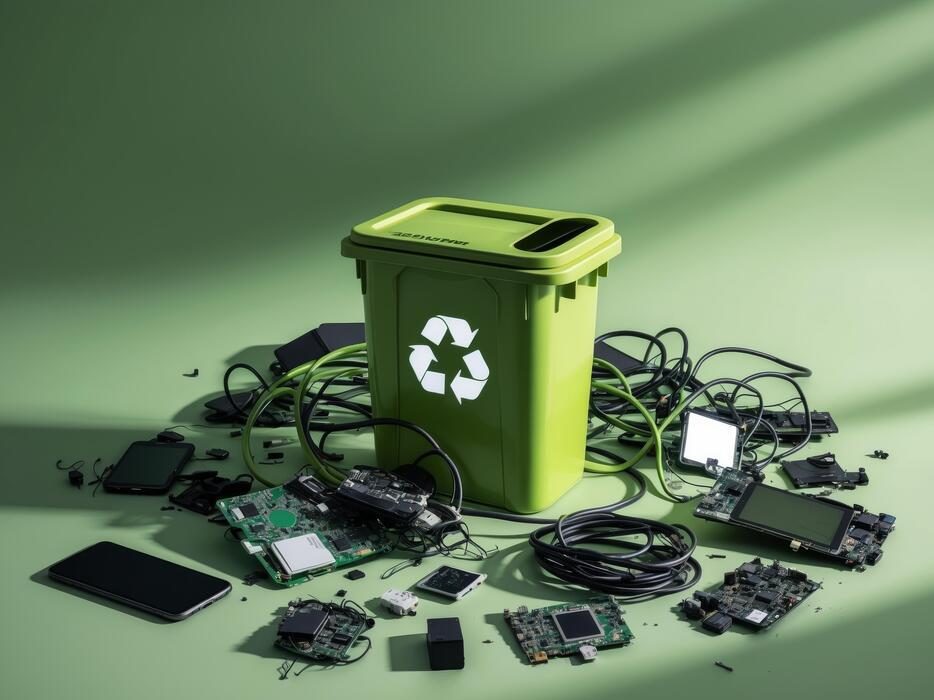
Businesses regularly replace outdated computers, servers, networking equipment, and other electronic devices to maintain productivity and security. Managing these retired assets through waste electronics recycling helps organizations reduce environmental impact while ensuring valuable materials are recovered responsibly. A well-planned retirement process also supports data protection, regulatory compliance, and long-term sustainability objectives.
Electronic equipment contains reusable metals, plastics, and components that can be recovered rather than discarded as landfill waste. By adopting responsible retirement practices, businesses can conserve natural resources, reduce unnecessary waste, and demonstrate their commitment to sustainable operations. Effective management of obsolete electronics also helps organizations build a stronger environmental reputation while supporting a circular economy.
Business Value of Responsible Electronics Retirement
Retiring old electronic equipment responsibly benefits both businesses and the environment. Instead of allowing outdated devices to occupy valuable storage space or become environmental hazards, organizations can recover useful materials through approved recycling processes. This approach minimizes waste while creating opportunities to reuse valuable resources in future manufacturing.
Responsible electronics retirement also improves operational efficiency by establishing structured procedures for handling obsolete assets. Maintaining accurate inventories, documenting retired equipment, and following approved disposal practices allow businesses to manage technology upgrades more effectively. These measures support environmental responsibility while reducing unnecessary operational risks associated with outdated electronics.
Building an Effective Electronics Retirement Strategy
A successful retirement strategy requires planning, accountability, and responsible handling throughout the entire process. Every stage should be designed to maximize material recovery while protecting business interests and supporting environmental objectives.
- Maintain a Complete Asset Inventory
Record every electronic device scheduled for retirement before collection begins. Accurate inventories improve asset tracking, simplify reporting, and ensure no equipment is overlooked during the retirement process. - Separate Reusable and Recyclable Equipment
Evaluate retired devices to determine whether they can be refurbished, reused, or processed for material recovery. Proper assessment maximizes resource utilization while minimizing unnecessary waste. - Follow Approved Collection Procedures
Collect and transport obsolete electronics using organized handling practices that reduce damage and maintain accountability throughout the retirement process. - Document Recycling Activities
Keep detailed records of retired assets, recycling activities, and processing outcomes. Proper documentation supports sustainability reporting and demonstrates responsible asset management.
Environmental Benefits of Responsible Electronics Management
Proper electronics retirement supports environmental sustainability by reducing unnecessary waste and encouraging the recovery of valuable materials from obsolete devices. Businesses adopting waste electronics recycling practices help minimize landfill disposal while promoting the responsible use of natural resources and supporting long-term sustainability goals.
- Reduced landfill waste
- Conservation of valuable natural resources
- Recovery of reusable metals and components
- Lower environmental impact
- Support for a circular economy
These benefits help businesses strengthen their environmental commitments while improving resource efficiency. Responsible electronics retirement also demonstrates a long-term approach to sustainability by ensuring obsolete equipment is managed in an environmentally responsible manner.
Managing Electronics Retirement Through Every Stage
A successful electronics retirement program requires more than simply collecting outdated devices. Every stage should be carefully planned to ensure equipment is assessed, handled, documented, and processed responsibly. Businesses that adopt organized retirement practices improve operational efficiency while supporting environmental responsibility and resource recovery.
- Assessing Equipment Before Retirement
Every electronic device should be evaluated before retirement to determine whether it can be reused, refurbished, or recycled. A proper assessment helps organizations maximize the value of existing assets while ensuring unsuitable equipment enters responsible recycling processes instead of being discarded unnecessarily.
- Secure Data Handling
Many electronic devices store confidential business information that should be protected before retirement. Organizations implementing e- waste computer recycling programs should ensure that sensitive data is securely removed before equipment is transferred for recycling. Proper data handling protects business information while supporting responsible electronics management.
- Responsible Material Recovery
Electronic equipment contains valuable materials such as copper, aluminum, steel, plastics, and precious metals that can be recovered through specialized recycling processes. Recovering these materials reduces the demand for new raw resources while supporting more sustainable manufacturing practices.
- Documentation and Compliance
Maintaining accurate documentation throughout the retirement process improves transparency and accountability. Asset inventories, collection records, and recycling documentation help businesses demonstrate responsible environmental practices while supporting internal reporting and regulatory compliance requirements.
- Continuous Improvement
Organizations should review their electronics retirement procedures regularly to identify opportunities for improvement. Updating internal policies, monitoring asset lifecycles, and improving recycling practices help businesses maintain efficient and environmentally responsible retirement programs.
Supporting Long-Term Business Sustainability
Responsible electronics retirement contributes to long-term sustainability by reducing waste generation and encouraging efficient resource management. Businesses that establish structured retirement programs can improve environmental performance while creating better control over obsolete electronic assets. These practices also support corporate sustainability initiatives and strengthen organizational responsibility.
Well-planned retirement strategies help businesses reduce storage requirements, improve operational efficiency, and minimize environmental impact. By treating obsolete electronics as recoverable resources rather than waste, organizations contribute to a circular economy that promotes resource conservation and responsible manufacturing.
Creating a Sustainable Electronics Lifecycle
Technology upgrades will continue as businesses adopt new systems and equipment. Establishing consistent retirement procedures ensures obsolete electronics are managed responsibly throughout their lifecycle. Organizations that integrate retirement planning into their asset management strategies reduce unnecessary waste while supporting long-term environmental goals.
A proactive approach also strengthens business reputation by demonstrating a commitment to responsible environmental practices. Consistent electronics retirement procedures improve operational planning, maximize material recovery, and help organizations achieve sustainability objectives without disrupting normal business activities.
Conclusion
Responsible electronics retirement helps businesses protect the environment, recover valuable materials, and improve long-term sustainability. A structured retirement strategy supports resource conservation while reducing unnecessary waste and strengthening environmentally responsible business practices.
For businesses seeking dependable e-waste computer recycling services, Planet Green Recycling (L.L.C) provides reliable electronics collection, responsible recycling, and sustainable asset management solutions that help organizations manage obsolete equipment efficiently while supporting environmental responsibility and long-term business sustainability.