








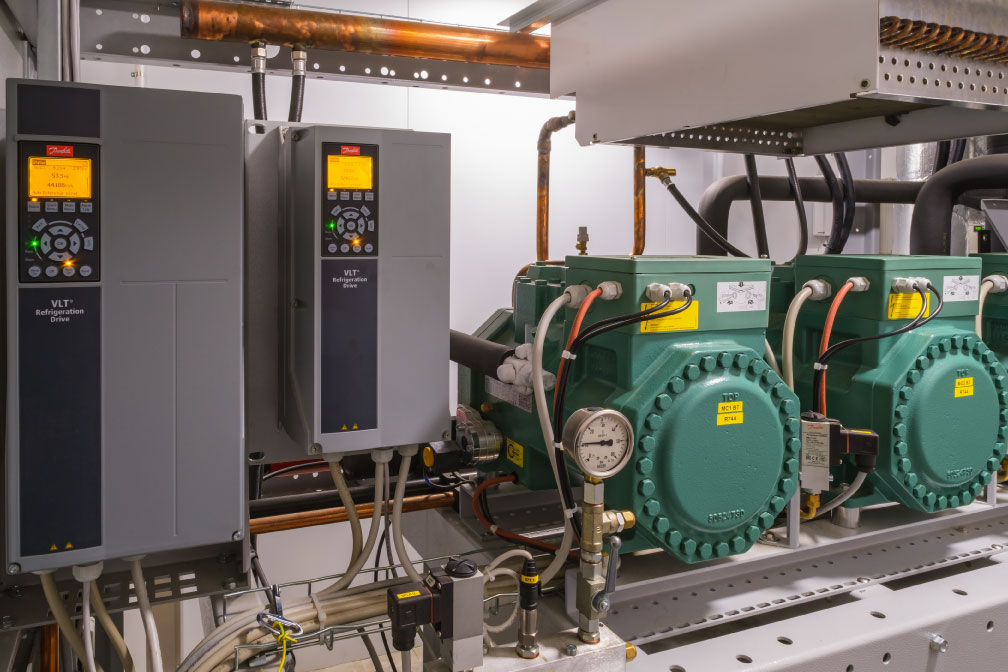
Frequency converters optimize motor speeds, lower energy consumption, and protect heavy machinery by transforming fixed-utility power into adjustable electrical output. Standard power grids supply alternating current at fixed frequencies, which forces connected electric motors to run at constant, unyielding speeds. By converting input power into direct current and then synthesizing a variable-frequency output, frequency converters allow operators to adjust motor RPM and torque precisely to match real-time demand. Controlling power delivery at the source prevents mechanical strain, slashes operating costs, and extends equipment service life across industrial applications.
The Core Physics of Variable Power Conversion
Understanding how frequency converters manage electrical power requires looking at the internal three-stage conversion process. Incoming alternating current from the grid first passes into a rectifier, where solid-state diodes or transistors convert fixed AC voltage into stable DC power. This direct current flows into a filter bank consisting of high-capacity capacitors, which smooth out voltage ripples and store energy to handle sudden load surges.
The final stage utilizes an inverter powered by insulated-gate bipolar transistors to convert DC back into AC power at any desired frequency and voltage level. Using pulse-width modulation, the converter chops DC voltage into precise pulses, reconstructing a clean sinusoidal wave. Adjusting the timing of these voltage pulses alters output frequency seamlessly, giving operators absolute authority over motor performance without mechanical throttling.
Precise Speed Regulation and Torque Management
Matching motor speed directly to process requirements delivers immediate operational advantages over mechanical dampening or gear adjustments. Traditional setups regulate fluid or air flow by running motors at full speed and using physical valves, dampers, or brakes to restrict output. This wasteful approach burns excessive electricity while subjecting mechanical components to continuous friction and heat build-up.
Frequency converters eliminate mechanical bottlenecks by adjusting the electrical frequency delivered to motor windings. Lowering output frequency decreases motor RPM while maintaining full torque potential, allowing pumps, fans, and conveyor systems to operate smoothly at partial loads. Exact torque control ensures stable performance even when processing heavy materials or navigating fluctuating load conditions.
Mitigation of Electrical Stress and Soft Starting
Directly energizing a large industrial motor causes a massive surge of current that strains facility transformers, trips circuit breakers, and drops line voltage. This direct line starting creates severe electromagnetic stress inside motor windings while delivering a harsh mechanical shock to coupled gearboxes and impellers. Over time, repeated line starts degrade electrical insulation and fracture structural mounts.
Frequency converters solve starting stress through customizable soft-start routines that gradually ramp up voltage and frequency together. The converter increases electrical output from zero to operating levels smoothly, keeping inrush current within safe operating thresholds. Preventing voltage drops protects sensitive electronics on the same grid while protecting internal motor components from destructive thermal spikes.
Power Quality Harmonization and Grid Protection
Modern frequency converters incorporate line reactors and active harmonic filters to maintain stable power quality across plant distribution networks. Non-linear electrical loads produce harmonic distortion, which distorts sinusoidal voltage waveforms, overheats transformers, and interferes with communication lines. Advanced converter designs suppress these harmonic frequencies before they feed back into the main supply power.
Regulating internal power factors allows converters to maximize active power utilization while minimizing reactive current draw. High power factor alignment lowers demand charges from utility providers and prevents transformer overload. Protecting the surrounding grid infrastructure ensures that high-power equipment operates side-by-side with delicate digital sensors without causing electrical noise or signal corruption.
Conclusion
Frequency converters provide the ultimate control layer between electrical utility grids and heavy motor-driven equipment. Transforming fixed-frequency AC power into dynamic, adjustable output allows facilities to run machinery at precise operational speeds while eliminating severe mechanical and electrical stress. Smooth acceleration routines, reduced energy consumption, and active harmonic mitigation combine to protect capital equipment and lower operating expenses. Investing in frequency conversion technology turns rigid power delivery into an adaptable asset that optimizes efficiency, extends machine longevity, and ensures reliable performance across every application.