








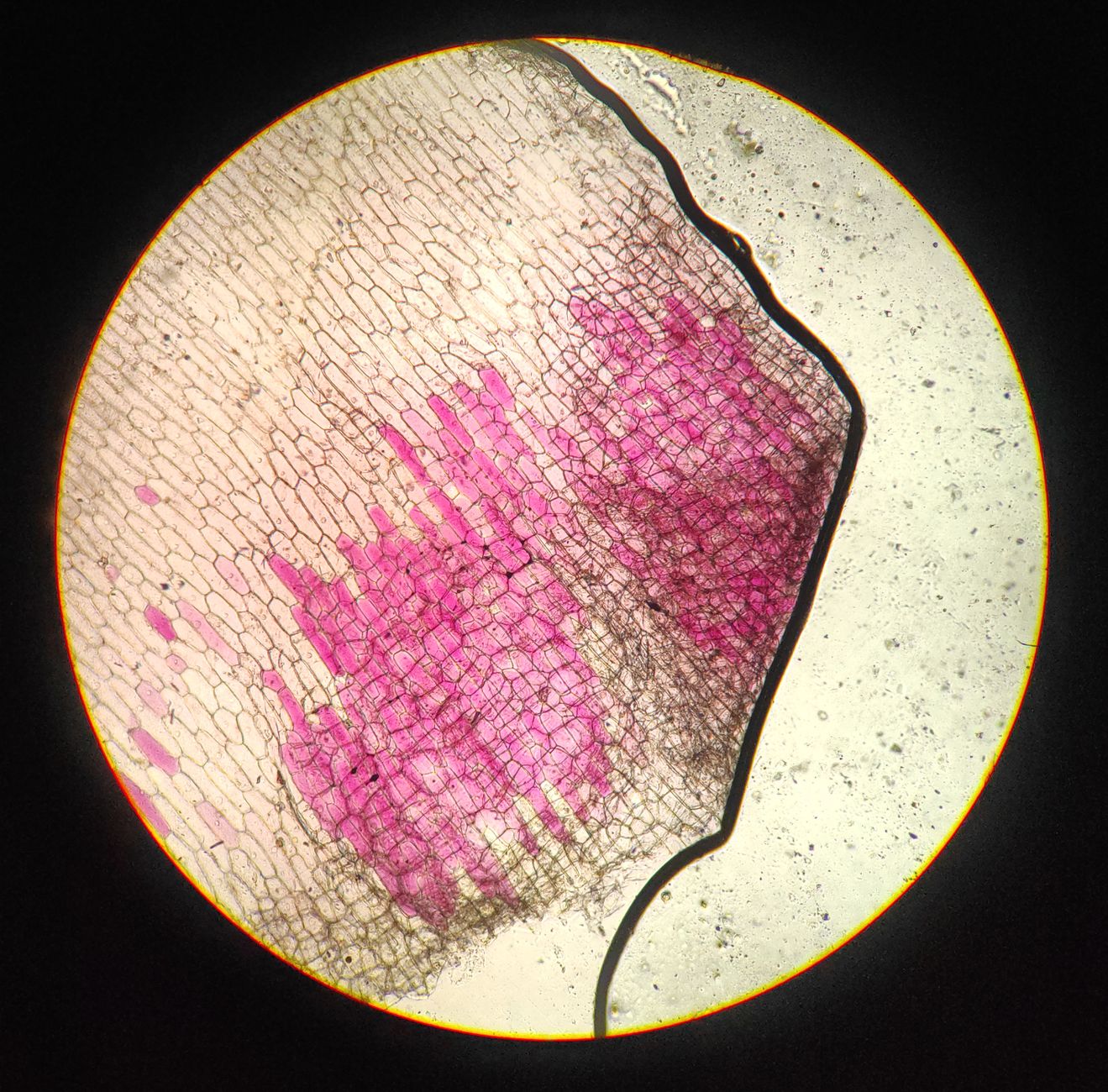
Cell division benefits are more than just creating new cells; it plays a crucial role in reshaping tissues. This discovery sheds light on the complexities of biological processes.
Understanding Cell Division
Cell division is a fundamental biological process that plays a crucial role in the growth and maintenance of tissues. Traditionally, it has been viewed primarily as a mechanism for producing new cells. However, recent studies reveal that the benefits of cell division extend beyond mere replication. Understanding cell division is essential in appreciating how it reshapes tissues and contributes to overall health.
The process involves two main types of cell division: mitosis and meiosis. Mitosis is responsible for generating identical cells, while meiosis leads to the formation of gametes. Both types are vital in different contexts, but it is mitosis that often takes center stage when considering the benefits of cell division.
As cells divide, they not only increase the number of cells but also facilitate tissue remodeling. This is critical in various scenarios, such as:
- Wound healing: When an injury occurs, rapid cell division is essential for repairing the damaged tissue.
- Growth: In developing organisms, cell division helps in the formation and expansion of tissues.
- Response to stress: Cells can adapt to changing environments through regulated division, ensuring tissue resilience.
These insights into cell division highlight its multifaceted role, underscoring the profound benefits it offers in reshaping tissues and maintaining biological integrity.
How Cell Division Reshapes Tissues
Cell division plays a crucial role not just in the creation of new cells, but also in the overall reshaping of tissues. This process contributes significantly to the functionality and adaptability of various biological structures within the body. Researchers have identified several key benefits of cell division in this context.
- Tissue Repair: When injuries occur, cell division is vital for replacing damaged cells. This rapid response is essential for healing wounds and restoring tissue integrity.
- Growth and Development: During growth phases, such as childhood and adolescence, cell division is responsible for increasing the number of cells within tissues, enabling organs to develop properly and maintain their functions.
- Adaptation to Environmental Changes: Cell division allows tissues to adapt to new conditions. For instance, muscle tissue can increase in size and strength through the proliferation of muscle cells in response to physical activity.
- Maintenance of Tissue Homeostasis: Regular cell division helps maintain a balance between cell death and cell growth, ensuring that tissues remain functional and healthy over time.
Understanding the benefits of cell division is essential for medical research, particularly in developing treatments for injuries and degenerative diseases. By harnessing the power of this natural process, scientists aim to improve tissue regeneration and repair strategies.
The Role of Cell Division in Healing
Cell division plays a pivotal role in the healing process of tissues, showcasing its numerous benefits beyond simply generating new cells. When injury occurs, the body initiates a complex response that heavily relies on efficient cell division to repair and regenerate damaged areas. This process is essential for maintaining the integrity and functionality of tissues.
During healing, specialized cells undergo division to produce new cells that replace those lost or damaged. This not only restores the original structure but also enhances tissue resilience. The benefits of cell division extend to:
- Restoration of Function: By generating new cells, tissues can regain their functional capabilities more effectively.
- Adaptive Changes: Cell division allows for the adaptation of tissues to better withstand future injuries.
- Reduction of Scar Tissue: Proper regulation of cell division can minimize the formation of scar tissue, leading to a more natural appearance after healing.
Research has shown that the mechanisms controlling cell division are crucial for ensuring that healing processes are efficient and effective. Understanding the role of cell division in healing helps scientists develop targeted therapies that can enhance these processes, ultimately leading to improved recovery outcomes for patients.
Recent Discoveries in Cell Biology
Recent research in cell biology has unveiled exciting insights into the benefits of cell division. Scientists have discovered that cell division not only generates new cells but also plays a crucial role in the complex process of reshaping tissues. This understanding shifts the perspective on how we view cellular activity in the context of health and development.
One of the key findings is that the arrangement and interaction of newly formed cells can significantly influence tissue structure and functionality. This reshaping is particularly evident in the following areas:
- Tissue Regeneration: Cell division facilitates the replacement of damaged cells, which is vital for regenerative processes.
- Developmental Biology: As organisms grow, cell division helps to create the diverse cell types necessary for various functions.
- Response to Injury: In response to injury, cell division not only replaces lost cells but also reorganizes existing tissue to restore function.
Furthermore, these discoveries emphasize the dynamic nature of tissues, suggesting that the benefits of cell division extend beyond mere proliferation. Researchers are now exploring how manipulating this process could lead to innovative treatments for diseases where tissue structure is compromised, such as in cancer or degenerative conditions.
Implications for Medical Research
Recent advancements in cell biology have unveiled the significant implications of cell division benefits for medical research. Understanding how cell division not only produces new cells but also reshapes tissues offers a fresh perspective on various medical conditions and treatments.
Researchers are increasingly focusing on the role of cell division in repairing damaged tissues, which can lead to innovative therapies for conditions such as:
- Cardiovascular diseases – where cell division can help regenerate heart tissues.
- Chronic wounds – by promoting rapid tissue regeneration through enhanced cell division.
- Cancer – understanding abnormal cell division could lead to better-targeted therapies.
Moreover, the study of cell division benefits extends to regenerative medicine, where insights into how tissues are reshaped can improve techniques for tissue engineering and transplantation. With ongoing research, scientists are exploring methods to manipulate cell division in a controlled manner, potentially revolutionizing treatments for degenerative diseases.
As we continue to uncover the complexities of cell division, the implications for medical research are profound. This knowledge not only enhances our understanding of biological processes but also opens new avenues for therapeutic interventions that can improve patient outcomes.
Future of Tissue Engineering
The future of tissue engineering is bright, with ongoing research into the benefits of cell division revealing innovative pathways for creating and repairing tissues. Scientists are now exploring how the mechanisms of cell division can be harnessed to develop more effective regenerative therapies.
One promising area is the engineering of complex tissues, such as organs, where precise control over cell division can lead to the formation of functional structures. By understanding the molecular cues that regulate cell division, researchers aim to replicate natural processes that lead to optimal tissue architecture.
Additionally, advancements in bioprinting technology are allowing for the incorporation of dynamically dividing cells into synthetic tissues. This integration can facilitate the development of tissues that not only mimic natural structures but also possess the ability to grow and adapt over time.
Moreover, the relationship between cell division and the mechanical properties of tissues is gaining attention. By manipulating the mechanical environment surrounding dividing cells, scientists can influence their behavior, potentially leading to enhancements in tissue strength and functionality.
As we continue to unlock the secrets of cell division, the implications for medical research are profound. From developing better wound healing strategies to creating fully functional organ replacements, the benefits of cell division will undoubtedly play a pivotal role in the evolution of tissue engineering.
Understanding the cell division benefits is crucial for advancing regenerative medicine, as it allows for the repair and replacement of damaged tissues. Furthermore, the cell division benefits extend to various fields, including cancer research, where manipulating these processes can lead to innovative treatments.
Photo by Leo Freire on Pexels