





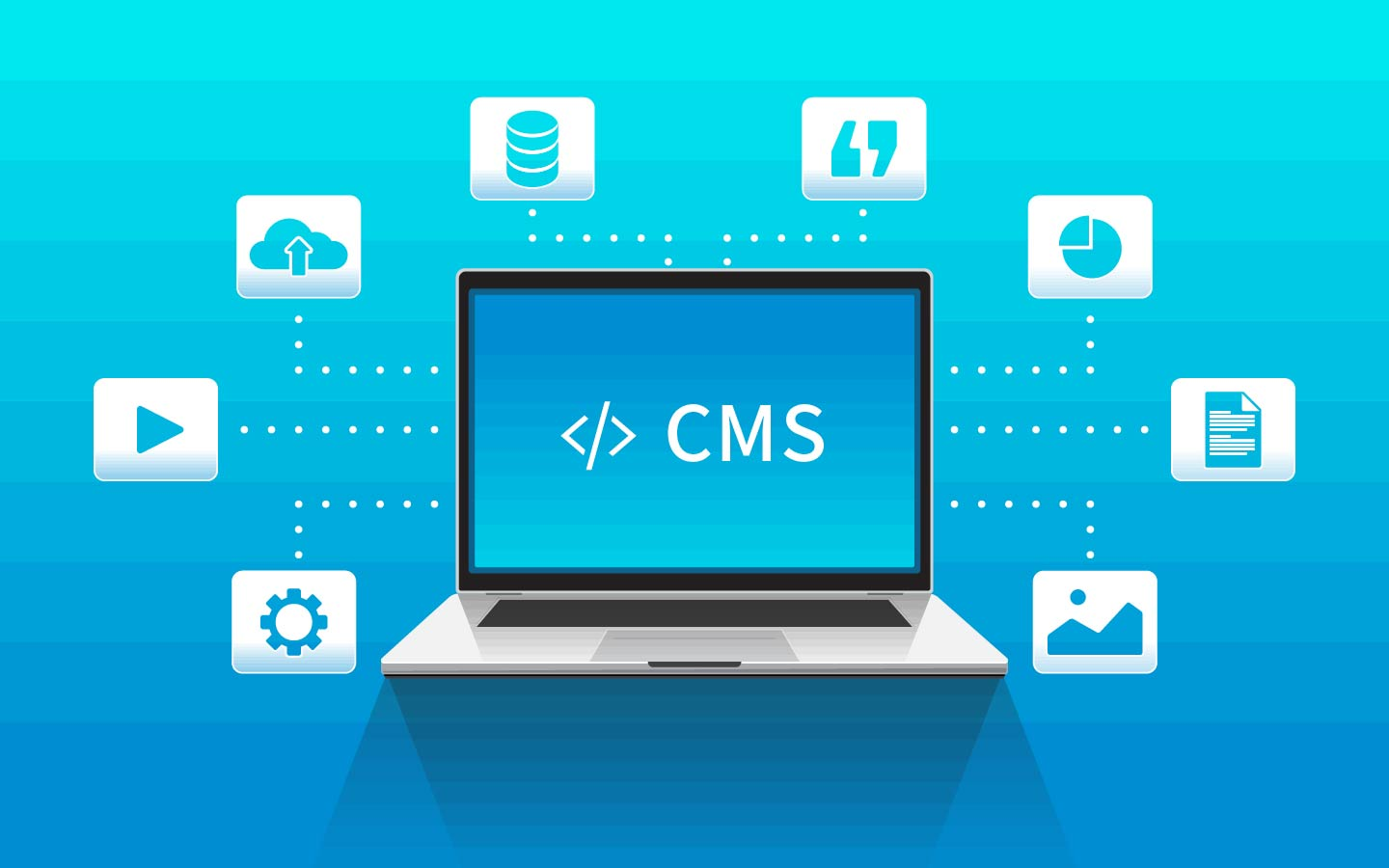
Selecting the best CMS for SEO is a critical decision for anyone looking to build a website that ranks well in search engines. A Content Management System (CMS) influences how your site is structured, how content is published, and how search engines crawl and index your pages. The right CMS makes it easier to implement SEO best practices, while the wrong one can create technical challenges that limit your website’s visibility.
Why the CMS You Choose Impacts SEO
A CMS affects several technical aspects of SEO, including URL structure, internal linking, site speed, and mobile responsiveness. Search engines favor websites that load quickly, are easy to navigate, and have a clear hierarchy of content. Choosing a CMS that produces clean code and supports SEO-friendly practices gives your site a better chance of ranking higher.
An SEO-friendly CMS also simplifies routine optimization tasks. Features like metadata management, redirect control, and sitemap generation should be straightforward. This efficiency allows website owners to focus on producing high-quality content while keeping technical SEO in check.
Key Features to Look for in an SEO-Friendly CMS
A strong CMS for SEO should offer complete control over on-page elements. Page titles, meta descriptions, headings, and image alt text must be easily editable. Clean, descriptive URLs with keywords are essential for both users and search engines. The CMS should also handle canonical tags to prevent duplicate content issues.
Performance optimization is another critical factor. A CMS should support caching, file compression, and responsive design. With mobile-first indexing, mobile optimization is mandatory. Platforms that handle these technical aspects well give your website a competitive edge in search results.
WordPress: The Most Popular SEO CMS
WordPress is widely regarded as the best CMS for SEO because of its flexibility and usability. It allows users to optimize every on-page element without requiring advanced technical skills. SEO plugins like Yoast SEO and Rank Math make tasks such as generating XML sitemaps, managing metadata, implementing schema markup, and setting up redirects easy.
WordPress also supports content-focused SEO strategies. Publishing articles, updating pages, and improving internal linking can be done quickly. Its large library of responsive, lightweight themes ensures fast page loading and excellent mobile usability, both of which are critical ranking factors.
How WordPress Supports Long-Term SEO
Search engines reward websites that maintain fresh and relevant content. WordPress simplifies regular content updates, allowing websites to stay competitive in search results. Its open-source nature also makes it highly customizable, enabling developers to optimize performance, improve site architecture, and scale websites as traffic grows. WordPress is suitable for blogs, business websites, agencies, and content-driven platforms.
Shopify: Simplifying SEO for ECommerce
Shopify is a CMS designed specifically for online stores. It automates many technical SEO aspects, including HTTPS security, XML sitemap generation, and mobile responsiveness. Shopify’s fast hosting ensures that product and category pages load quickly, which improves user experience and search rankings.
Shopify is ideal for business owners who want a simple platform with reliable SEO fundamentals. Its structured product pages make it easy for search engines to understand commercial content and index product information efficiently.
Shopify SEO Limitations
While Shopify handles basic SEO well, it offers limited customization for advanced technical optimization. Certain URL structures and indexing settings cannot be fully controlled. Despite these limitations, Shopify is a strong choice for small to medium-sized eCommerce businesses that prioritize simplicity and consistent performance.
Drupal: Advanced SEO for Large Websites
Drupal is a powerful CMS designed for high-traffic and complex websites. It provides advanced control over URLs, metadata, and content taxonomy. Drupal is particularly effective for enterprise websites that require scalability, multilingual SEO, and detailed content organization.
Its clean code output and performance optimization features make it ideal for sites that handle large volumes of content. However, Drupal requires technical expertise to configure and maintain, making it less suitable for beginners.
Joomla: Flexible CMS with SEO Tools
Joomla strikes a balance between ease of use and technical SEO control. It offers built-in support for search-engine-friendly URLs and metadata management. Joomla also has strong multilingual capabilities, making it ideal for websites targeting multiple regions or languages. With the right extensions, Joomla can efficiently manage redirects, sitemaps, and performance optimization.
Magento: Enterprise-Level SEO for ECommerce
Magento is a CMS designed for large-scale online stores with complex SEO needs. It provides deep control over product and category pages, metadata, structured data, and indexing rules. Magento’s scalable architecture is ideal for enterprises with large product catalogs and dedicated development teams.
How to Choose the Best CMS for Your SEO Strategy
Choosing the best CMS for SEO depends on your website’s size, purpose, and technical resources. WordPress is perfect for content-heavy and service-based websites. Shopify works best for eCommerce businesses seeking simplicity. Drupal and Magento are ideal for large organizations or complex online stores. Joomla offers a middle-ground solution with built-in SEO tools and moderate complexity.
Conclusion
A CMS does not guarantee high search rankings, but it lays the foundation for SEO success. Selecting the right CMS makes optimization easier, improves website performance, and ensures scalability for future growth. When combined with quality content, consistent SEO practices, and a user-friendly design, the right CMS can significantly enhance organic visibility and drive long-term traffic growth.