



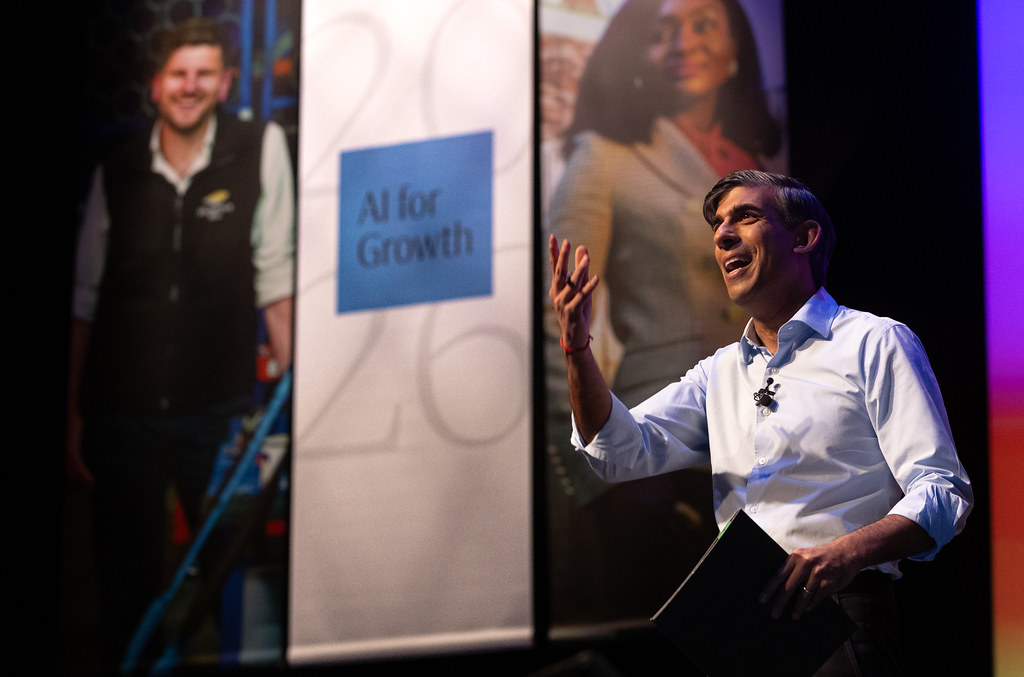
AI in SMEs is transforming how businesses operate, emphasizing strategic use over mere adoption to enhance agility and efficiency.
Understanding AI in SMEs
As small and medium-sized enterprises (SMEs) navigate an increasingly competitive landscape, understanding AI in SMEs becomes crucial for fostering agility and innovation. Unlike larger corporations, SMEs often have unique constraints and opportunities that shape how they can effectively implement artificial intelligence technologies.
AI can serve as a powerful tool for SMEs, enabling them to streamline operations, enhance customer experiences, and drive data-driven decision-making. However, the key lies not merely in adopting AI, but in strategically integrating it into their existing processes. This strategic use allows SMEs to capitalize on their inherent flexibility, adapting more swiftly to market changes compared to their larger counterparts.
Several factors contribute to the successful integration of AI within SMEs:
- Cost-Effectiveness: AI solutions can be tailored to fit the budgetary constraints typical of SMEs.
- Scalability: SMEs can start with small AI projects and scale up as they see results.
- Customization: AI tools can be designed to meet specific needs of the business, maximizing their impact.
Ultimately, understanding and leveraging AI in SMEs not only enhances operational efficiency but also positions them for sustainable growth in the ever-evolving market landscape.
The Importance of Strategic Use
The importance of strategic use in implementing AI in SMEs cannot be overstated. Unlike larger corporations, small and medium enterprises often lack the resources to adopt every new technology. Therefore, the focus must shift towards how these organizations can maximize the benefits of AI effectively.
AI in SMEs can lead to significant improvements in operational efficiency and decision-making. However, it requires a tailored approach that considers the unique challenges faced by smaller businesses. Strategic use involves identifying specific areas where AI can provide the most value, rather than attempting to integrate it across all functions indiscriminately.
Some key considerations for SMEs include:
- Resource Allocation: Ensuring that investments in AI are aligned with business goals.
- Employee Training: Upskilling staff to work alongside AI tools effectively.
- Data Management: Establishing a robust data infrastructure to support AI applications.
By adopting a strategic mindset, SMEs can harness the power of AI to achieve agility, adapt to market changes, and drive sustainable growth. Ultimately, the right application of AI can transform challenges into opportunities, setting a strong foundation for future success.
Challenges for SMEs with AI
While the integration of AI in SMEs offers numerous opportunities for growth and efficiency, several challenges hinder its effective implementation. One significant hurdle is the lack of resources, both in terms of finances and skilled personnel. Many small and medium-sized enterprises struggle to allocate budgets for AI technologies, which can often appear dauntingly expensive.
Additionally, the complexity of AI systems can lead to confusion among staff who may not be familiar with the technology. This knowledge gap can result in resistance to change, as employees may feel overwhelmed or uncertain about how to utilize AI effectively in their daily operations. The need for training and support becomes paramount, yet many SMEs lack the infrastructure to provide this.
Moreover, data privacy and security concerns pose another challenge. SMEs often have limited experience in managing sensitive data, which can deter them from adopting AI solutions. Without a proper understanding of compliance and ethical considerations, businesses may hesitate to fully embrace the potential of AI.
In conclusion, for SMEs to navigate these challenges, they must focus on strategic use rather than mere adoption, ensuring that AI aligns with their unique needs and capabilities.
Real-World Examples of AI Success
Several small and medium-sized enterprises (SMEs) have successfully harnessed the power of AI to enhance their operations and drive innovation. These real-world examples illustrate how AI in SMEs can be strategically utilized for improved agility.
- A Retailer’s Inventory Management: A local clothing retailer implemented an AI-driven system that analyzes sales data and predicts inventory needs. This allowed the company to reduce excess stock by 30%, optimizing cash flow and ensuring popular items were always in stock.
- A Restaurant’s Customer Service: A small restaurant chain adopted an AI chatbot to handle reservations and customer inquiries. This not only improved response times but also freed up staff to focus on enhancing customer experiences, leading to a 20% increase in customer satisfaction ratings.
- A Manufacturing Firm’s Process Optimization: A mid-sized manufacturer utilized AI to monitor machine performance and predict maintenance needs. As a result, they reduced downtime by 25% and increased overall productivity, demonstrating the tangible benefits of AI in SMEs.
These examples highlight that when SMEs strategically employ AI, they can achieve remarkable results, enhancing both efficiency and customer satisfaction.
Steps to Implement AI Effectively
Implementing AI in SMEs requires a structured approach to ensure effectiveness and alignment with business goals. Here are some essential steps to consider:
- Assess Business Needs: Begin by evaluating the specific challenges that AI can address within your SME. This assessment will help prioritize areas where AI can deliver the most impact.
- Set Clear Objectives: Define what success looks like for your AI initiatives. Whether it’s increasing efficiency, enhancing customer experience, or driving sales, having clear goals will guide the implementation process.
- Choose the Right Technology: Explore various AI tools and platforms that cater to the unique requirements of SMEs. It’s crucial to select solutions that are scalable and user-friendly.
- Train Your Team: Invest in training for your employees to ensure they understand how to leverage AI effectively. This knowledge transfer is vital for maximizing the benefits of AI in SMEs.
- Measure and Iterate: Continuously monitor the performance of AI systems and be prepared to make adjustments. Gathering feedback and analyzing data will help refine strategies and improve outcomes.
By following these steps, SMEs can harness the power of AI strategically, paving the way for proven agility in a competitive landscape.
Measuring Agility in AI Adoption
Measuring agility in AI adoption within small and medium enterprises (SMEs) requires a multifaceted approach, as the impact of AI can vary significantly across different business models and industries. Organizations must assess several key performance indicators (KPIs) to determine their level of agility in integrating AI technologies effectively.
- Speed of Implementation: This metric evaluates how quickly an SME can adopt AI solutions from initial conception to full deployment.
- Flexibility: The ability of a business to pivot its AI strategies in response to market changes or operational feedback is critical for maintaining agility.
- Employee Adaptation: Successful AI adoption often hinges on how well staff embrace and adapt to new technologies. Training programs and support systems can enhance this adaptation process.
- ROI Measurement: Tracking the return on investment specifically related to AI initiatives provides insights into their effectiveness and sustainability.
By focusing on these KPIs, SMEs can better understand their agility in AI adoption. This understanding is essential for leveraging AI in SMEs not just as a tool, but as a strategic asset that can drive innovation and competitive advantage.
Future Trends in AI for SMEs
The landscape of artificial intelligence (AI) in SMEs is evolving rapidly, presenting new opportunities and challenges. As businesses adapt to technological advancements, several future trends are emerging that will shape the strategic use of AI in SMEs.
- Increased Personalization: AI tools will enable SMEs to offer more personalized experiences to customers, enhancing engagement and loyalty.
- Integration of AI with IoT: The convergence of AI and the Internet of Things (IoT) will allow SMEs to gather more data and make informed decisions quickly.
- Enhanced Decision-Making: Predictive analytics powered by AI will help SMEs make data-driven decisions, improving operational efficiency.
- Automation of Routine Tasks: SMEs will increasingly adopt AI to automate mundane tasks, allowing employees to focus on strategic initiatives.
- Focus on Cybersecurity: With the rise of AI, SMEs will need to prioritize cybersecurity measures to protect sensitive data and maintain customer trust.
As these trends develop, SMEs will need to consider how to leverage AI strategically to ensure they remain agile in a competitive marketplace. The right approach to AI in SMEs will not only enhance productivity but also foster innovation and resilience.
By murtysunak via Openverse