









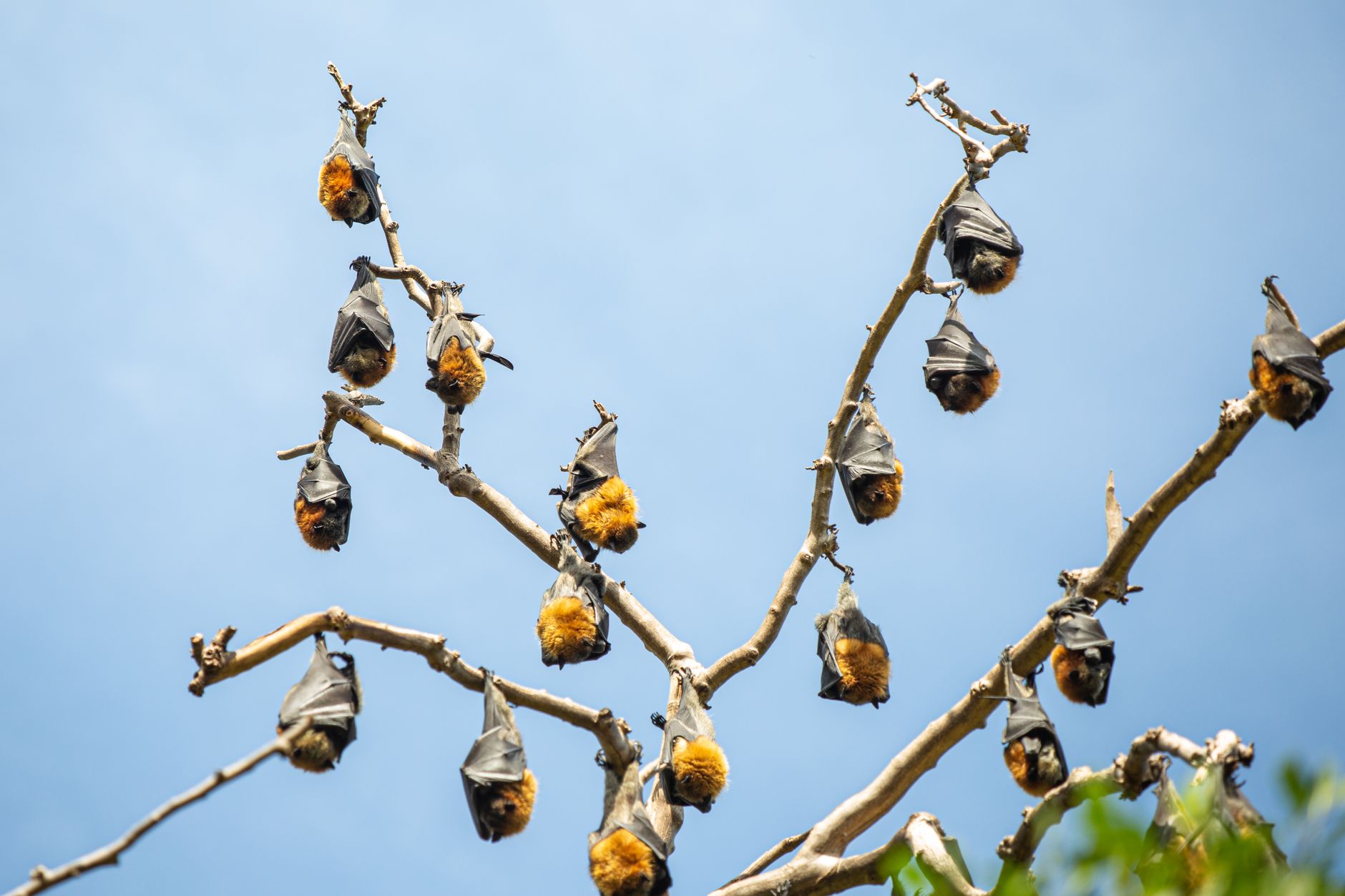
Bat family phylogeny has been revised thanks to new reference genomes and fossil evidence. This groundbreaking research sheds light on the evolutionary history and biogeography of bats.
Understanding Bat Family Phylogeny
The study of bat family phylogeny has significantly evolved with the integration of genomic data and fossil records. Recent research highlights how these combined insights have reshaped our understanding of bat evolutionary relationships and their geographical distribution.
Researchers utilized reference genomes from various bat species to construct a more accurate phylogenetic tree. This approach revealed unexpected connections among different bat families, suggesting that some species may be more closely related than previously thought. Key findings include:
- Genomic Analysis: Advanced sequencing techniques have allowed scientists to identify genetic markers that trace lineage and divergence.
- Fossil Evidence: Newly discovered fossils provide critical context, offering a timeline for when specific adaptations emerged.
- Geographical Insights: Understanding how environmental factors influenced bat migration and diversification enhances our knowledge of their current distributions.
As researchers continue to unravel the complexities of bat family phylogeny, these findings not only contribute to evolutionary biology but also underscore the importance of conservation efforts for these diverse mammals.
The Role of Genomes in Evolution
The study of bat family phylogeny has been significantly advanced by the analysis of genomes. By comparing the genetic material of various bat species, researchers can reconstruct evolutionary relationships that were previously unclear. This genomic data provides a clearer picture of how bats have evolved over millions of years, revealing connections between species that may not have been evident through fossil records alone.
Genomic sequencing allows scientists to identify specific genes that are associated with adaptations to flight and echolocation, traits that define bats. The integration of this data with fossil evidence offers a comprehensive understanding of how environmental changes have influenced bat evolution.
Moreover, the role of genomes extends beyond mere classification. They help in tracing the biogeographical distribution of bats, shedding light on how geographic barriers have shaped the evolution of different lineages. As researchers continue to refine bat family phylogeny using both genomic and fossil evidence, new insights are bound to emerge, challenging existing theories and enriching our understanding of these fascinating mammals.
Fossil Evidence and Biogeography
Fossil evidence plays a crucial role in elucidating the bat family phylogeny and understanding how these mammals have evolved over millions of years. Paleontological findings provide insights into the morphological diversity among bat species and their geographic distribution.
Several significant fossil discoveries have been made, including:
- Early Bat Fossils: Specimens dating back to the Eocene epoch reveal key features that indicate the transition from non-flying mammals to volant forms.
- Fossils from Diverse Regions: Discoveries in both North America and Europe highlight the biogeographical patterns that have shaped bat evolution.
- Unique Lineages: Fossils of extinct bat species illustrate unique adaptations and further complicate the evolutionary narrative.
In conjunction with genomic analyses, fossil records help trace the movement of bat lineages across continents, shedding light on their adaptive strategies in response to changing environments. This combined approach enhances our understanding of not only bat family phylogeny, but also the ecological dynamics that influenced their evolution throughout history.
Implications for Future Research
The recent advancements in understanding bat family phylogeny have significant implications for future research in evolutionary biology and conservation efforts. As researchers continue to unravel the complexities of bat evolution through genomic studies and fossil records, several key areas warrant further exploration.
- Conservation Strategies: Insights gained from bat family phylogeny can inform targeted conservation strategies. Understanding the evolutionary relationships among bat species helps identify which populations are most at risk and need immediate protection.
- Ecological Roles: Further research is needed to explore the ecological roles of different bat families. This includes their contributions to pest control, pollination, and seed dispersal, which are vital for ecosystem health.
- Climate Change Adaptation: Investigating how bat families adapt to changing climates will be crucial. Understanding their evolutionary history may provide clues on how these species can survive future environmental challenges.
- Genomic Innovations: The integration of advanced genomic techniques may reveal previously unknown genetic adaptations among bat species, enhancing our understanding of their evolutionary trajectories.
In summary, the implications of bat family phylogeny extend beyond academic curiosity, offering pathways for effective conservation and ecological management.
Photo by Will Mu on Pexels
Where this came from
Related reading
Nvidia GPU price hike: Is it the worst trend for gamers? · Is the GPT-6 rollout the best tech innovation yet? · Customisable 360 Headphones: The Best Audio Experience You’ll Love