

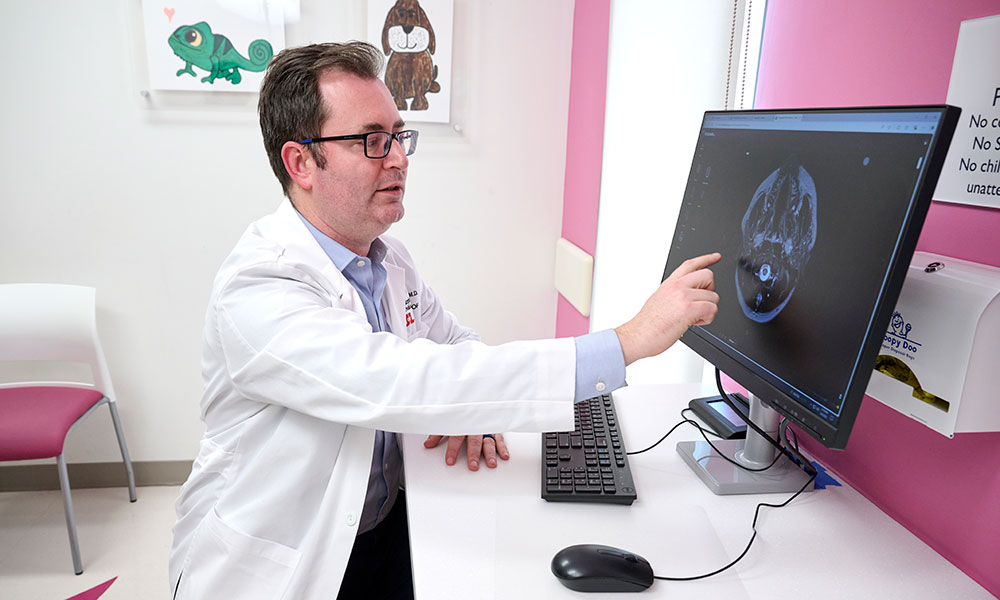
Children’s neurological health is a cornerstone of their growth, learning, and emotional well-being. Conditions affecting the brain, spinal cord, or nervous system can have lasting impacts if not identified and treated early. Pediatric neurology focuses on diagnosing, managing, and preventing disorders that can influence motor skills, cognition, behavior, and overall quality of life. Consulting a pediatric neurologist in Hyderabad ensures that children receive care tailored to their unique developmental needs. Through advanced diagnostics, personalized therapy, and continuous monitoring, families can make informed decisions, fostering a supportive environment for their child to thrive. Understanding pediatric neurology equips parents with the knowledge to detect warning signs, seek timely intervention, and support their child’s holistic health.
Early Identification of Neurological Disorders
Accurate identification at the earliest stage allows children to receive interventions that enhance growth, learning, and emotional well-being while preventing complications that could hinder daily functioning.
- Recognizing Developmental Delays: Children develop at varied paces, but noticeable delays in walking, speaking, or social interaction may indicate underlying neurological issues. Pediatric neurologists assess developmental milestones through structured evaluations to identify conditions like cerebral palsy or neurodevelopmental disorders early, allowing timely intervention.
- Monitoring Behavioral and Cognitive Changes: Symptoms such as attention difficulties, memory lapses, or sudden behavioral changes can signal neurological problems. Observing patterns in learning and social engagement helps specialists pinpoint issues and design tailored care plans.
- Importance of Regular Screening: Routine check-ups with pediatric neurology professionals ensure subtle signs are not overlooked. Early screening minimizes long-term complications and empowers families to act proactively, avoiding delays in diagnosis or treatment.
Advanced Diagnostic Techniques in Pediatric Neurology
Utilizing these advanced diagnostic approaches ensures that children receive targeted care that addresses both immediate and potential future neurological challenges.
- Neuroimaging Tools: Advanced imaging technologies such as MRI, CT scans, and functional imaging enable pediatric neurologists to visualize the brain’s structures in detail. These non-invasive tools detect abnormalities like tumors, lesions, or malformations that may affect development. By providing precise information, neuroimaging supports accurate diagnosis and guides targeted treatment plans for each child.
- Electrophysiological Testing: EEG (electroencephalography) and EMG (electromyography) measure electrical activity in the brain and muscles to identify conditions such as seizure disorders, neuropathies, or muscular dystrophies. These tests offer real-time insights into neurological function, helping specialists pinpoint the underlying cause of symptoms. Accurate assessment through electrophysiology ensures tailored treatment and improves overall outcomes for pediatric patients.
- Genetic and Metabolic Assessments: Pediatric neurologists frequently use genetic and metabolic screening to detect inherited or metabolic disorders early in a child’s life. These evaluations provide valuable information about potential risks and help in designing personalized care strategies.
Personalized Treatment Approaches for Neurological Conditions
Individualized treatment plans ensure that interventions are not only effective but also sustainable, enhancing long-term outcomes for children with neurological disorders.
- Medication Management: Children with epilepsy, migraines, or movement disorders may require specialized medication plans. A famous pediatric neurologist in Hyderabad tailors dosages and combinations based on age, weight, and developmental considerations, ensuring effective management while minimizing side effects.
- Therapeutic Interventions: Physical therapy, occupational therapy, and speech therapy are integrated into treatment plans to improve motor skills, cognitive function, and communication. Personalized therapy supports functional independence and accelerates developmental progress.
- Multidisciplinary Collaboration: Pediatric neurologists often collaborate with psychologists, nutritionists, and educators to provide holistic care. This approach addresses all aspects of a child’s well-being, ensuring that neurological treatment aligns with educational and social development goals.
Supporting Families Through Education and Guidance
Family-centered support is critical for creating a nurturing environment where children can thrive while managing neurological conditions effectively.
- Parental Awareness and Training: Educating parents about neurological conditions equips them to identify early warning signs and monitor developmental progress effectively. It also ensures they follow therapy protocols accurately, contributing to better clinical outcomes.
- Emotional Support and Counseling: Managing a child’s neurological condition can create stress, anxiety, and uncertainty for families. Access to counseling services and peer support groups helps parents process emotions and make informed decisions. Emotional support ensures families remain resilient, engaged, and capable of providing consistent care throughout the treatment journey.
- Practical Guidance for Home Management: Pediatric neurologists provide parents with clear, actionable strategies for daily care at home, including adaptive learning techniques and activity planning. Safety measures and routine management guidelines help prevent complications and reinforce therapy goals.
Integration with Broader Child Health Services
A coordinated, multidisciplinary approach enhances treatment efficacy, reduces risks, and promotes a higher quality of life for children with complex healthcare needs.
- Preventive Health Monitoring: Neurological health cannot be isolated from overall child development. Routine pediatric evaluations, vaccination tracking, and nutrition management complement specialized care and prevent secondary complications.
- Coordination with Hematology and Oncology Care: Children with blood disorders or cancer may present overlapping neurological symptoms. If you are seeking “hematology oncology doctors near me”, comprehensive care addresses all interrelated medical concerns.
- Holistic Growth and Development Plans: By integrating neurological care with general pediatric health, children receive a well-rounded approach that supports physical growth, cognitive function, and emotional resilience.
Conclusion
Comprehensive pediatric neurology is essential for children’s long-term development, ensuring early detection, accurate diagnosis, and individualized treatment. From addressing developmental delays to managing complex neurological conditions, a pediatric neurologist in Hyderabad fosters optimal growth and well-being. Parents benefit not only from medical expertise but also from guidance, counseling, and practical strategies to support their children at home. Combining neurological care with other pediatric specialties ensures children receive holistic and integrated support.
Families seeking expert, child-focused care can confidently rely on the comprehensive services available at Ankura, where highly skilled professionals are dedicated to addressing the unique medical needs of each child. From early diagnosis to personalized treatment plans and ongoing support, it ensures the health, growth, and overall development of every young patient, providing parents with guidance, reassurance, and a nurturing environment for their child’s long-term well-being and future success.